
Michigan Move-Up Buyer Planning
By Samantha Shelton, Broker Owner and Senior Loan Originator at Align Lending (NMLS #2041154) · Updated August 2026
Quick answer
A move-up purchase is two transactions that have to line up. Start by estimating your equity position, then decide the sequence, then model the new payment honestly — including the tax reset that often comes with a new Michigan purchase. Preparing all three before you list keeps the move from turning into a scramble.
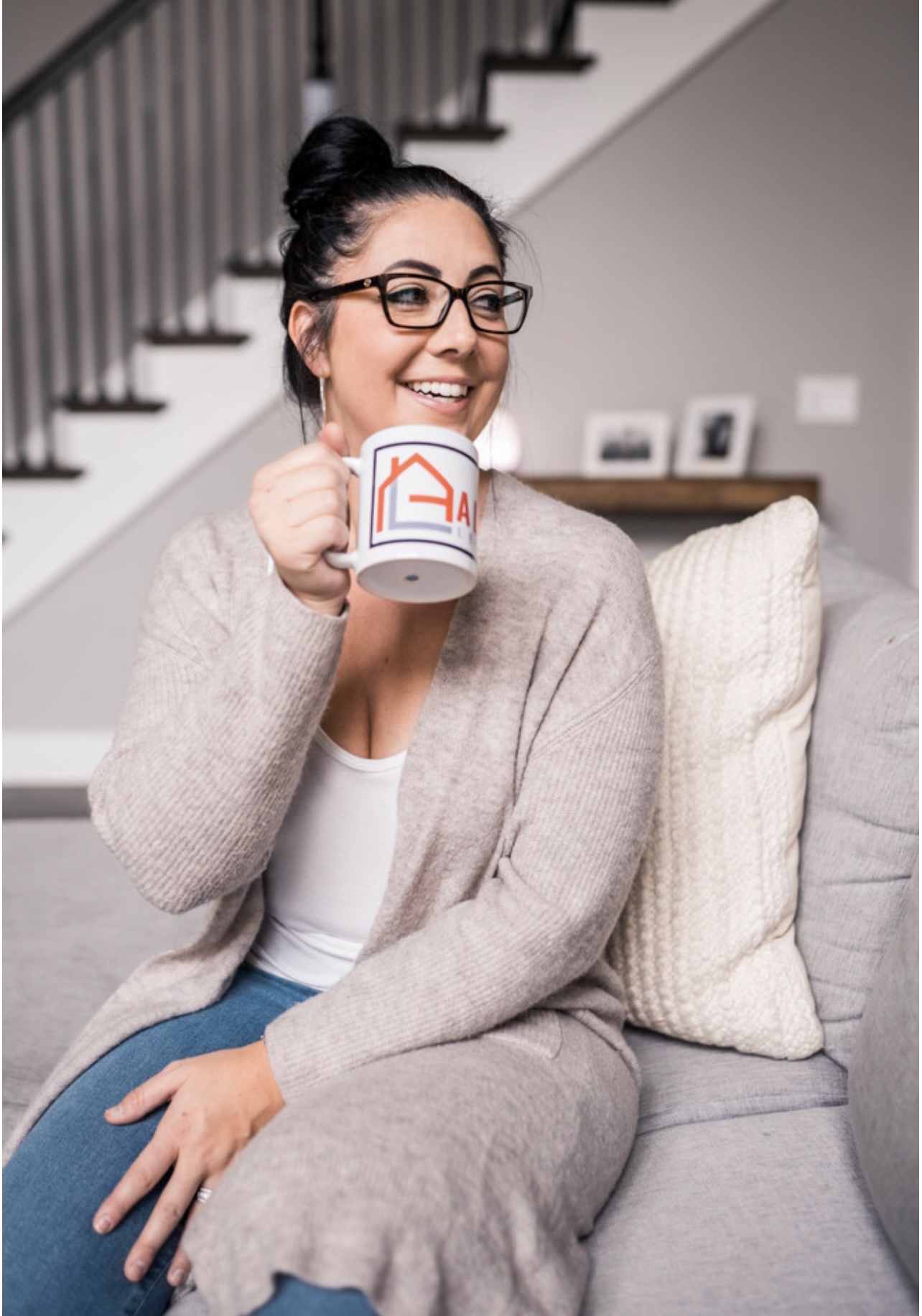
Samantha's Take
Samantha Shelton · Broker Owner and Senior Loan Originator · NMLS #1647301
The tax reset nobody plans for
Michigan homeowners are often shocked by the taxable value reset on their next home. Their current payment feels manageable because the taxes have been capped for years. I make sure the new payment is modeled with the new tax reality, not the old one.
Why this matters
The equity you've built is usually the largest input, so estimating it early anchors everything else.
Sequencing decisions are hard to reverse once a listing goes live.
The new payment is not the old payment scaled up; escrow items reset with the new property.
What changes the answer
- Taxable value reset
- A new purchase can change the assessed basis, which affects the escrowed tax portion.
- Sale proceeds
- Net proceeds depend on sale price, payoff, and transaction costs.
- Sequence choice
- Sell first, buy first, coordinate, or keep as a rental.
- New home characteristics
- Size, age and location change insurance and maintenance expectations.
Try it with your numbers
Model equity, sequencing strategy and the new payment in one place.
BUILD MY NEXT HOME PLANCommon questions
- Should I renovate instead of moving?
- Sometimes. Compare the cost of the renovation against the all-in cost of moving before deciding.
- How early should I start planning?
- Three to six months before listing is comfortable; earlier if your equity picture is unclear.
- What if my current rate is much lower?
- That's a real consideration. Model the total picture rather than comparing rates alone.